
Positional Release Online Class
Positional release is a gentle manual therapy approach that uses precise positioning and nervous system feedback to release hyper-sensitive tissue and alleviate somatic dysfunction. Rather than stretching or forcing tissues, positional release places the body in a position of ease that prompts muscles and related structures to relax. This class teaches both the theory and practical application of positional release, giving you the confidence to assess and treat common dysfunctions with precision and ease.
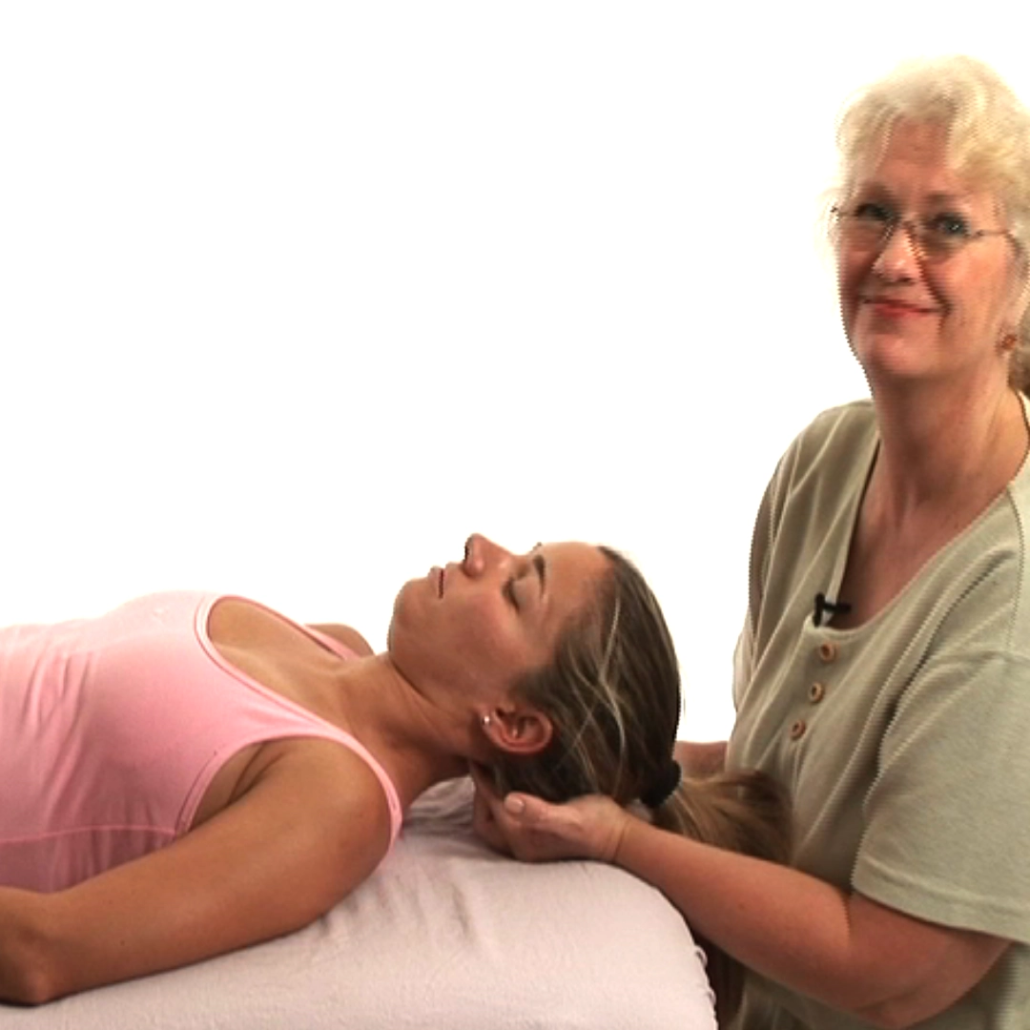
Course Overview
This online positional release class covers both the neurological basis and hands-on technique for releasing tension and restoring balance. You will learn how to evaluate key areas of the body, identify positions of ease, and apply positional release to reduce guarding and improve comfort. Lessons focus on clear demonstration and practical application so you can integrate positional release into your massage or bodywork sessions
What You Will Learn
- The history and neurological principles behind positional release and related modalities such as strain-counterstrain and integrated neuromuscular inhibition.
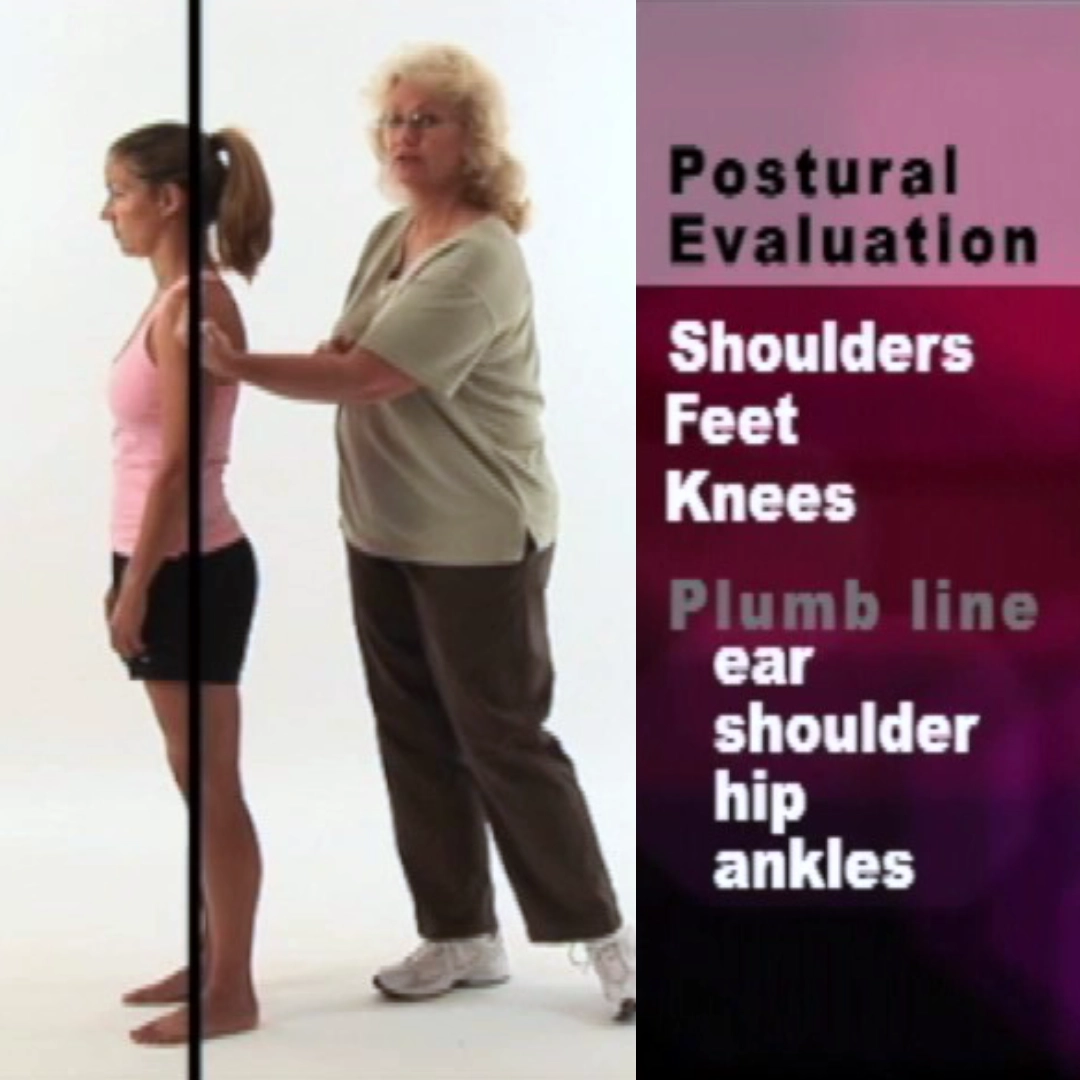
- How to perform a general postural evaluation to identify areas of tension.
- Specific positional release techniques for the neck, shoulder, arm, thoracic spine, lumbar region, and extremities.
- Strategies for working with pelvic imbalances, psoas dysfunction, and leg length differences.
- How to integrate positional release into a full session with coherent routines and real-time demonstrations.
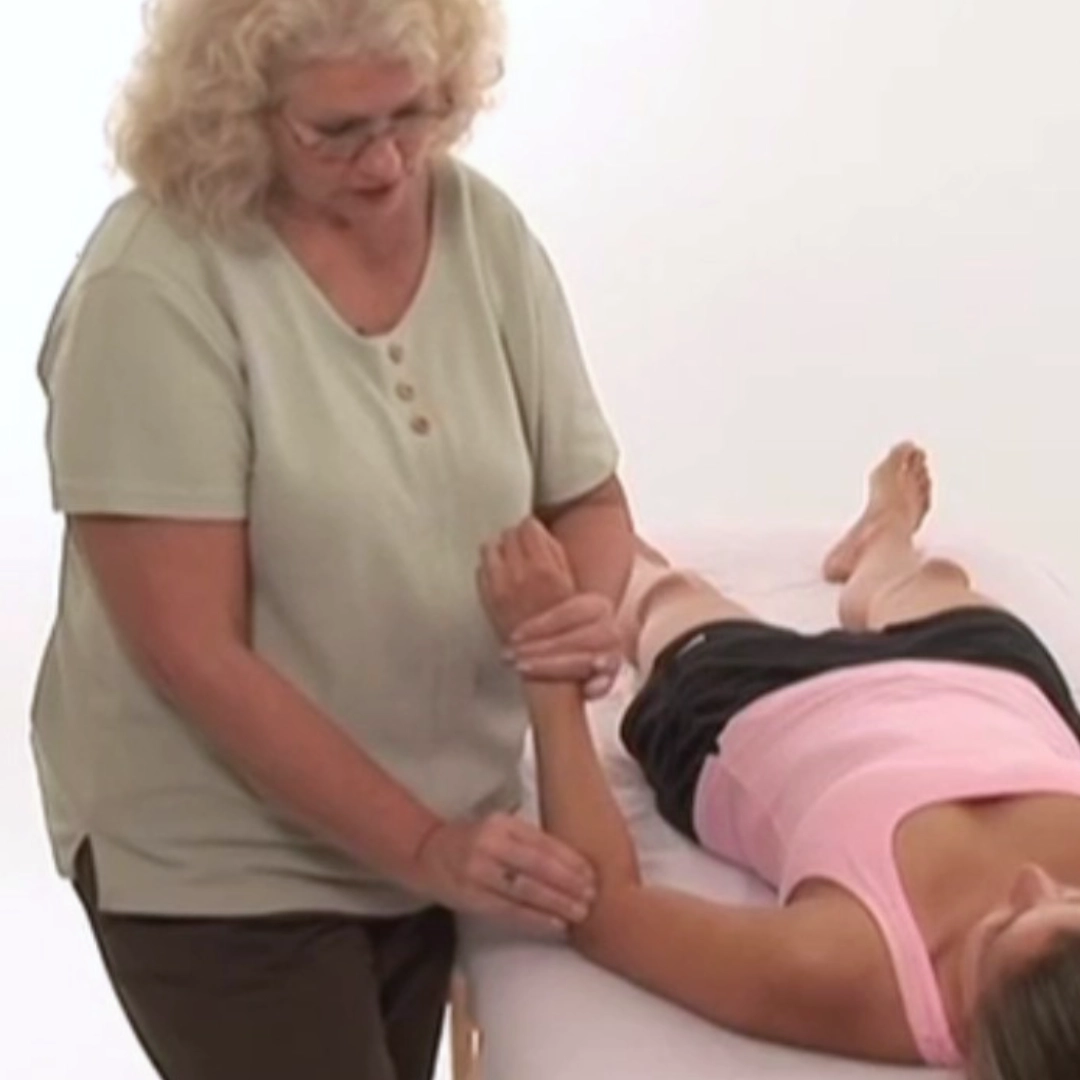
Course Details & Learning Materials
- Format: On-demand online video lessons
- Lessons: 14 modules covering the entire body from introduction to integration.
- Instruction: Video demonstrations with clear palpation, positioning, and technique application
- Skill Level: Designed for massage therapists and bodyworkers familiar with clinical assessment
- Access: Unlimited lifetime access after purchase
- Certificate: Downloadable certificate upon completion
Who This Course Is For
This class is ideal for massage therapists, bodyworkers, and manual practitioners who want to expand their skill set with a gentle but effective positional release method. It is especially useful for those who work with clients experiencing chronic tension, postural strain, or neuromuscular guarding and want to add a subtle but powerful technique to their clinical repertoire.
Meet Your Instructor:
Diana Haynes has been practicing various forms of bodywork for over 30 years. She brings her technical skill and clear teaching style to this class. Her warmth and clarity make learning easy.

Lessons
Lesson 1. Introduction to Positional Release

This is the introduction to our positional release online class. This lesson covers the history and neurological basis for positional release and it’s cousins strain-counter strain, integrated neuromuscular inhibition, facilitated positional release, and orthobionomy. Then the basic positional release technique principles are demonstrated.
Lesson 1B: Postural Evaluation
This lesson shows how to do a general postural evaluation on the client.
Lesson 2. The Neck

This lesson looks at the lateral neck, anterior neck and posterior neck. Each section focuses on evaluation of the various structures using motion assessment, then freeing restriction using positional release. Cautions and contraindications about neck work are also discussed.
Lesson 3. The shoulder

During this section of the positional release online class, Diana focuses on positional release for the shoulder. This includes motion assessment for the glenohumeral joint and muscles. Then she demonstrates specific techniques for the supraspinatus, infraspinatus, subscapularis, teres major, coracoid process, pectoralis major and minor, serratus anterior, biceps tendon, deltoid, rhomboids and levator scapula.
Lesson 4. The arm and hand

This lesson discusses the basic anatomy of the forearm and wrist. This includes positional release for the flexors and the extensors. She also shows techniques for rheumatoid arthritis in the finger joints.
Lesson 5. Thoracic spine

This lesson shows evaluation and treatment of the thoracic spine. This includes techniques for the upper thoracic spine and lower thoracic spine, which require different release positions to achieve an effect release.
Lesson 6. Quadratus Lumborum
Free Preview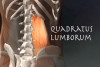
This lesson shows how to release the quadratus lumborum. The technique includes correct movement of the femur and ilium to compress the muscle until it releases.
Lesson 7. Lumbar Spine

This lesson shows how to treat the lumbar pain at 5 different locations, including the iliacus, psoas, piriformis, gluteus medius and posterior lumbar muscles.
Lesson 8. Long and short leg
This is part of the pelvis section, and includes how to evaluate for a short and long leg, then how to balance each of these conditions.
Lesson 9. Psoas
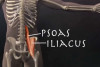
This lesson details the psoas major assessment in a variety of different ways, as well as multiple release techniques.
Lesson 10. Sacrum
This lesson shows a general sacral release and specific sacral points.
Lesson 11. Knee – anterior

This lesson demonstrates evaluation for the patellar motion in 4 directions. She then shows evaluation and positional release techniques for the quadriceps and pez anserinus attachment.
Lesson 12. Posterior leg
This lesson shows to to relieve hamstring strain, the gastrocnemius, the soleus, and achilles tendonitis.
Lesson 13. Ankle
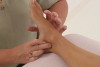
This lesson shows evaluation for the medial and lateral ankle, and positional release techniques to address issues in this area.
Lesson 14. Integration
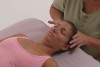
This lesson demonstrates how to integrate positional release into a standard massage. Diana demonstrates 3 routines in real time so you can see how the work is put together.